Completed real hotel project · Abkhazia
Amra: showing the hotel that guests appreciate in person
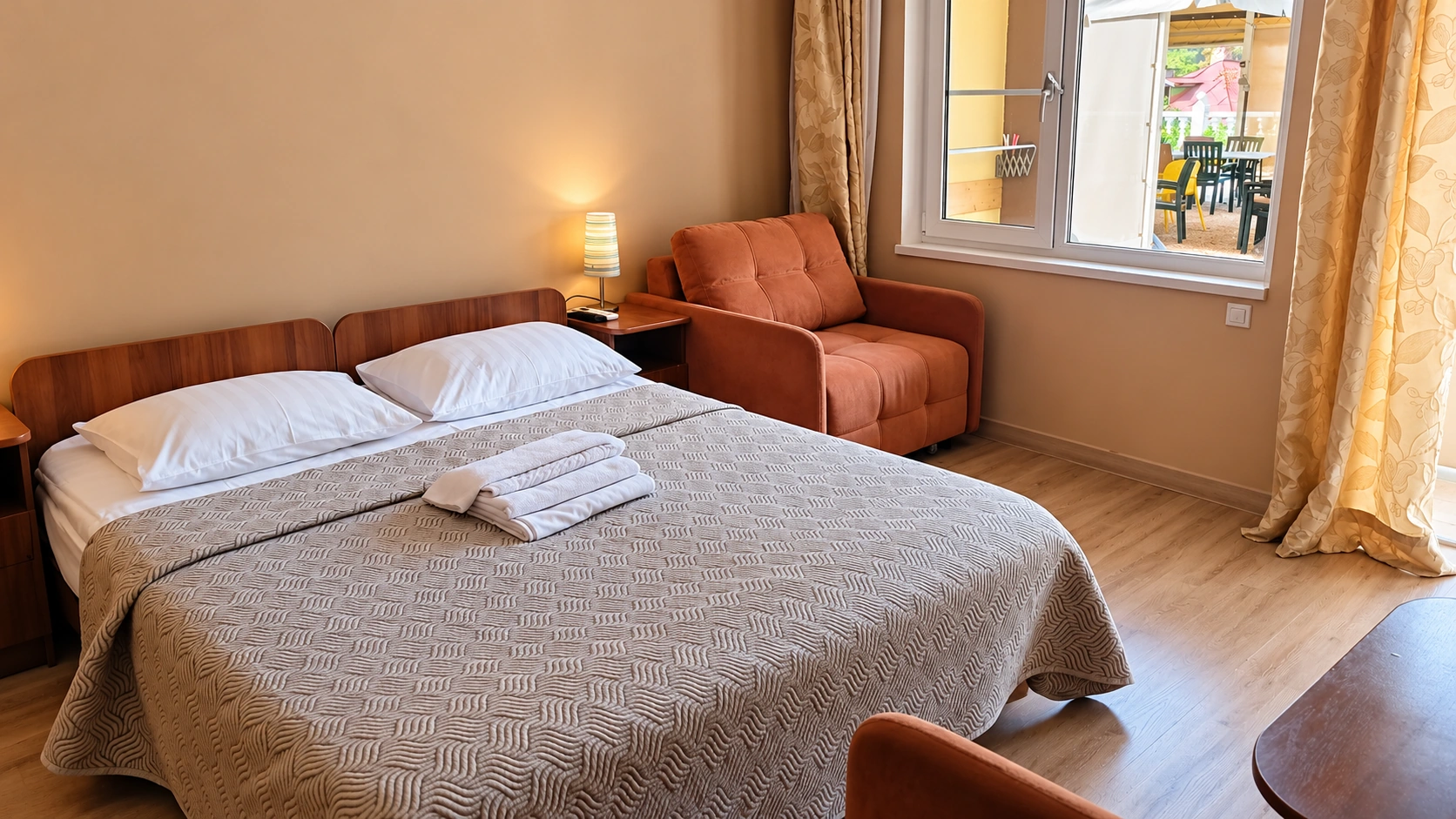
Amra, a real hotel in Abkhazia, faced a difficult presentation problem: its old website photographs looked less appealing than the property felt in person. According to the project owner's account of the hotel's brief, some guests who arrived through recommendations said the pictures had almost put them off choosing it. Personal recommendations gave them confidence that the online gallery had failed to provide.
That gap shaped our work. The aim was to make the existing comfort visible: understandable rooms, calm light and a consistent series. The photographs needed to remain recognisably connected to the hotel a guest would encounter on arrival.
The owner's brief: bring the screen closer to the stay
The central task was to reduce the distance between the online impression and the real experience. Someone who had heard a recommendation should be able to use the photographs to understand the rooms and imagine staying there. Someone discovering the property for the first time should find clear reasons to look further.
That required a sequence, rather than a single impressive image. A lead photograph cannot explain every room layout, bathroom or outdoor sitting area. We approached the project as a series of real spaces and wider views, moving from atmosphere to the practical details of a stay.
The original problem is an account supplied for this project. We do not have figures establishing how many reservations were lost because of the old gallery. We also do not attribute a measured booking increase to the completed photographs.
Choosing a guest perspective
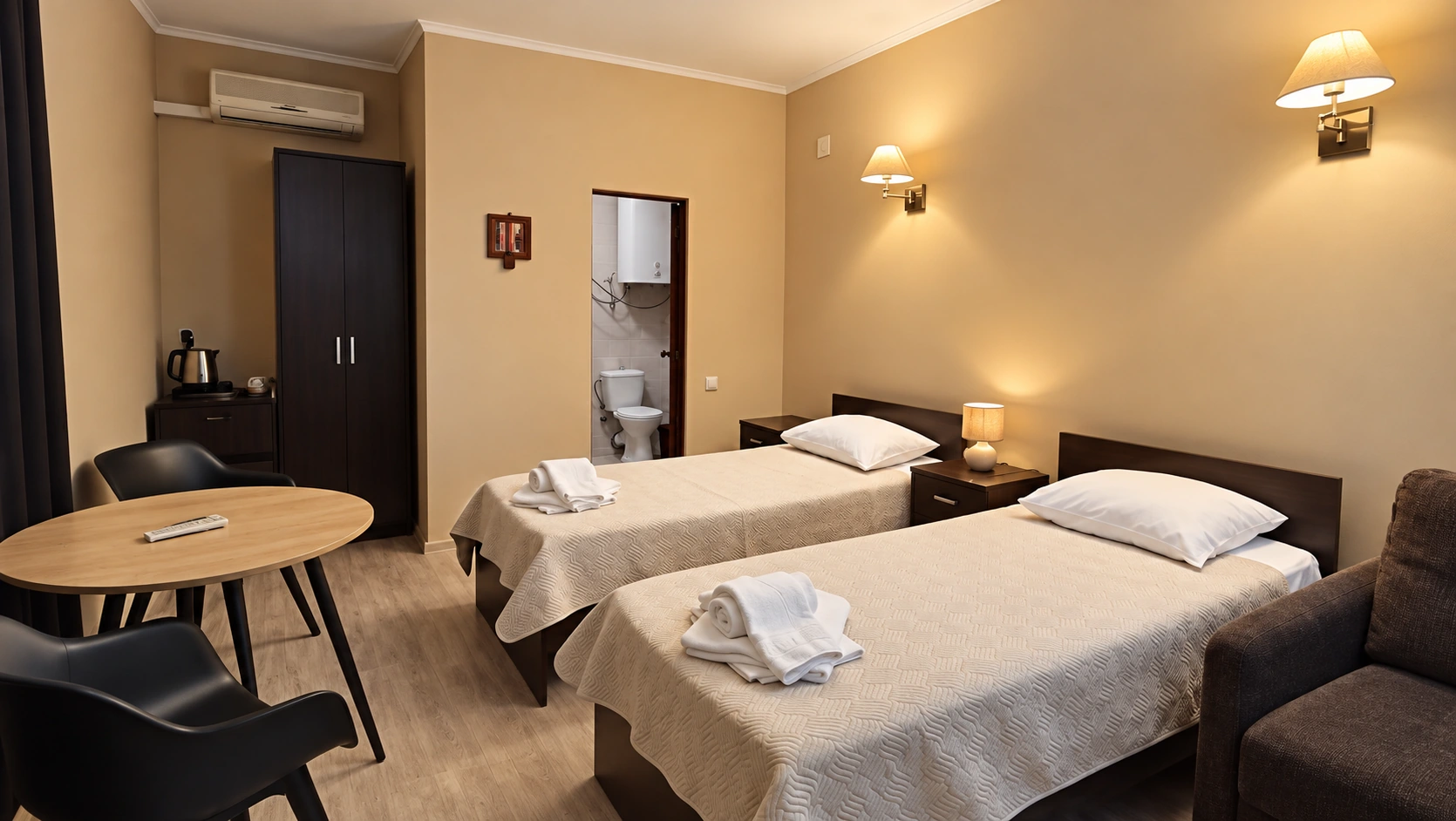
The agreed creative direction centred on quiet family comfort. Families with children, and guests looking for an easy, restful stay, were the working audience for the imagery. Their practical questions helped organise the series: where will we sleep, how is the room arranged, can we sit together, and what do the bathroom and outdoor areas look like?
This was a creative audience choice, rather than a statistical claim about every Amra guest. It gave us a useful hierarchy. Prepared sleeping areas, actual furniture, amenities and places to pause should be easy to read. Decorative elements support that understanding without becoming the entire story.
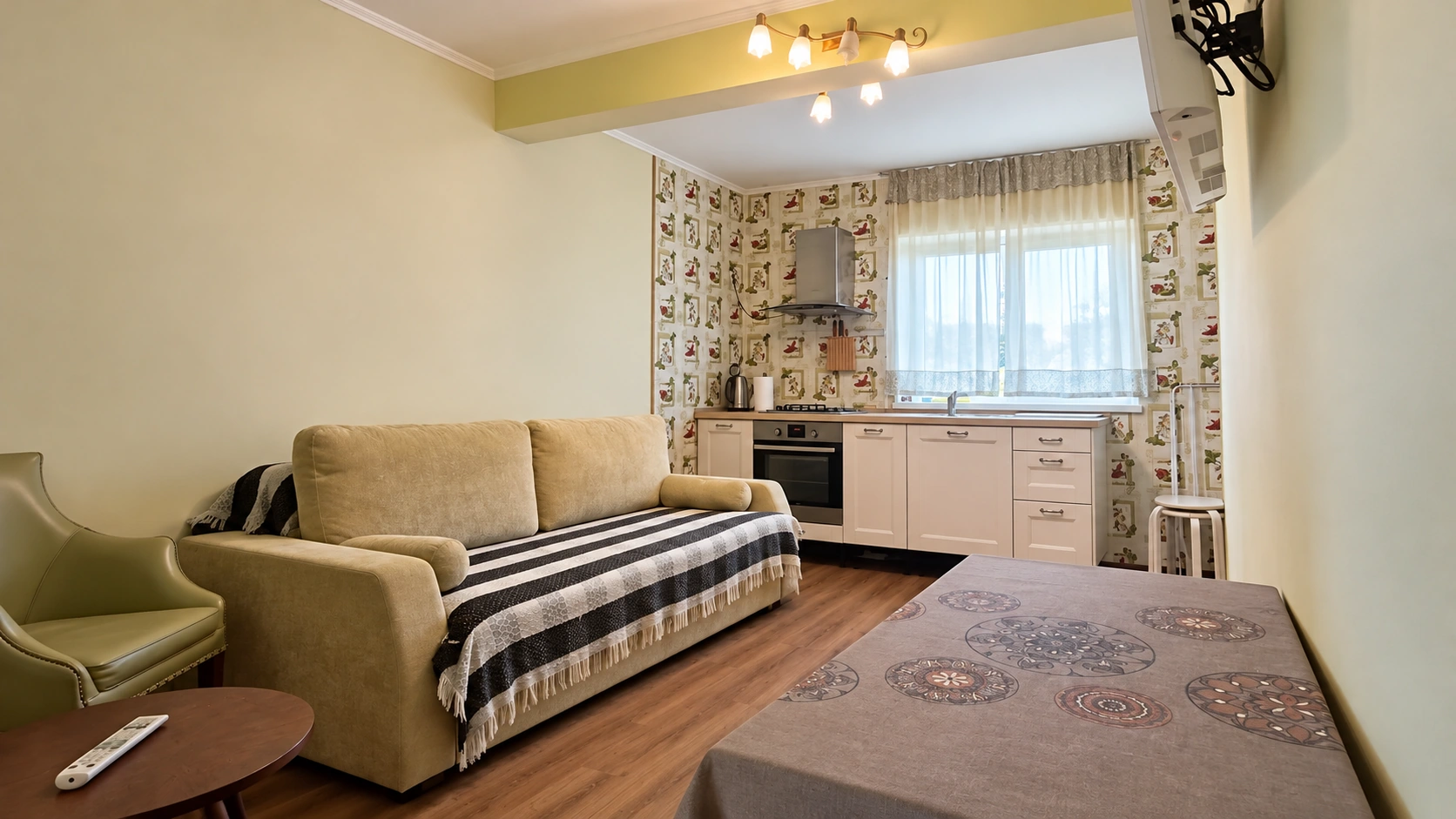
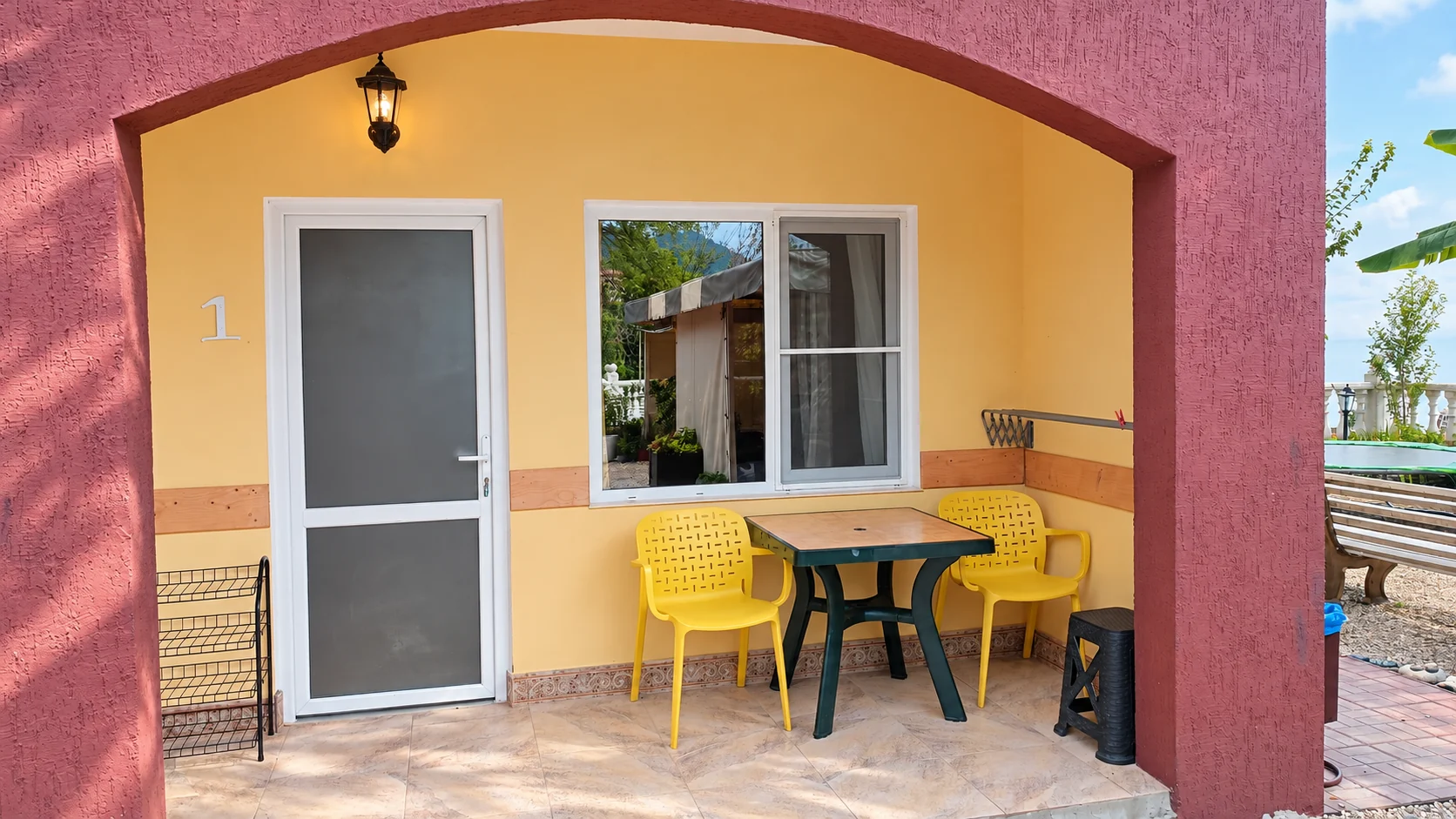
Different spaces answer different questions. In a bedroom, the arrangement of sleeping places and the feeling of rest matter. Where a kitchen area exists, its relationship to the living space helps a guest imagine an ordinary day. Outside, the building, sitting areas and surrounding view establish context. Together, these photographs describe more of a stay than repeated views of beds alone.
Why the light and colour stayed gentle
We described the chosen direction as warm family calm. Cream and beige tones, natural wood, restrained saturation and soft transitions of light formed its visual foundation. The intention was a prepared, comfortable space with enough depth to feel believable.
During the work, it became clear that increasing brightness and colour intensity would not solve the brief by itself. More vivid treatments could move the series away from the atmosphere we wanted. Warmth needed to remain compatible with the actual colours of bedding, tiles and metal fittings.
That meant treating scenes individually. A bathroom benefits from clear surfaces and readable whites. A terrace keeps its natural daylight. A bedroom can feel softer and warmer. The series holds together through the character of the light and the level of editing, while each environment retains its own believable balance.
Giving each camera view a purpose
A main room view should explain the space: sleeping places, circulation and the relationship between furnishings. Calm camera height, straight verticals and a deliberate composition help the viewer understand those relationships. We avoided using perspective to imply extra floor area or reveal surfaces unsupported by the source photographs.
Supporting views answer questions that the main photograph leaves open. What does the bathroom look like? Where can someone sit? How does the actual kitchen area fit into the room? What is the setting outside the door? Each view adds useful information while remaining part of the same real scene.
Horizontal 16:9 framing formed the basis of the series. It gives room for spatial context and works naturally in wide website sections. The format alone does not make an image useful, however. Each photograph still needs a clear subject and a distinct job within the gallery.
The challenges behind a coherent series
Consistency across viewpoints required particular attention. An individual edited image may look convincing on its own, yet reveal a changed furniture position or a different arrangement of fabric when placed beside another view. For a real hotel, that inconsistency matters.
In one room, for example, a single continuous cover over joined bed bases was a specific reference point. Other rooms had different sleeping arrangements, so that decision could not simply be copied across the property. Understanding the placement of an armchair and table also required comparing several original views rather than guessing from one frame.
Another challenge was balancing warmth with material truth. Hard patches of sunlight, stronger saturation or excessive smoothing could make an image more striking while weakening the natural appearance of textiles, wood and surfaces. Those treatments needed revision when they distracted from the agreed atmosphere.
The third challenge was bringing bedrooms, bathrooms and outdoor views into one family of images. Separating those scene types helped. The overall direction stayed consistent, while light and colour were adapted to the individual space. Applying one identical treatment everywhere would have made the result less natural.
Careful editing, grounded in a real property
The work began with source photographs of the actual Amra hotel. The photographs were selected and edited with the real interior remaining the reference. Furniture, appliances, doors, windows, bathroom fittings, materials and spatial relationships were constraints of the project.
Multiple source views helped establish the geometry. A hidden or unconfirmed surface was not an invitation to invent a convenient extension of the room. When an edited version introduced a discrepancy, the appropriate step was to return to the source material and reconsider the treatment.
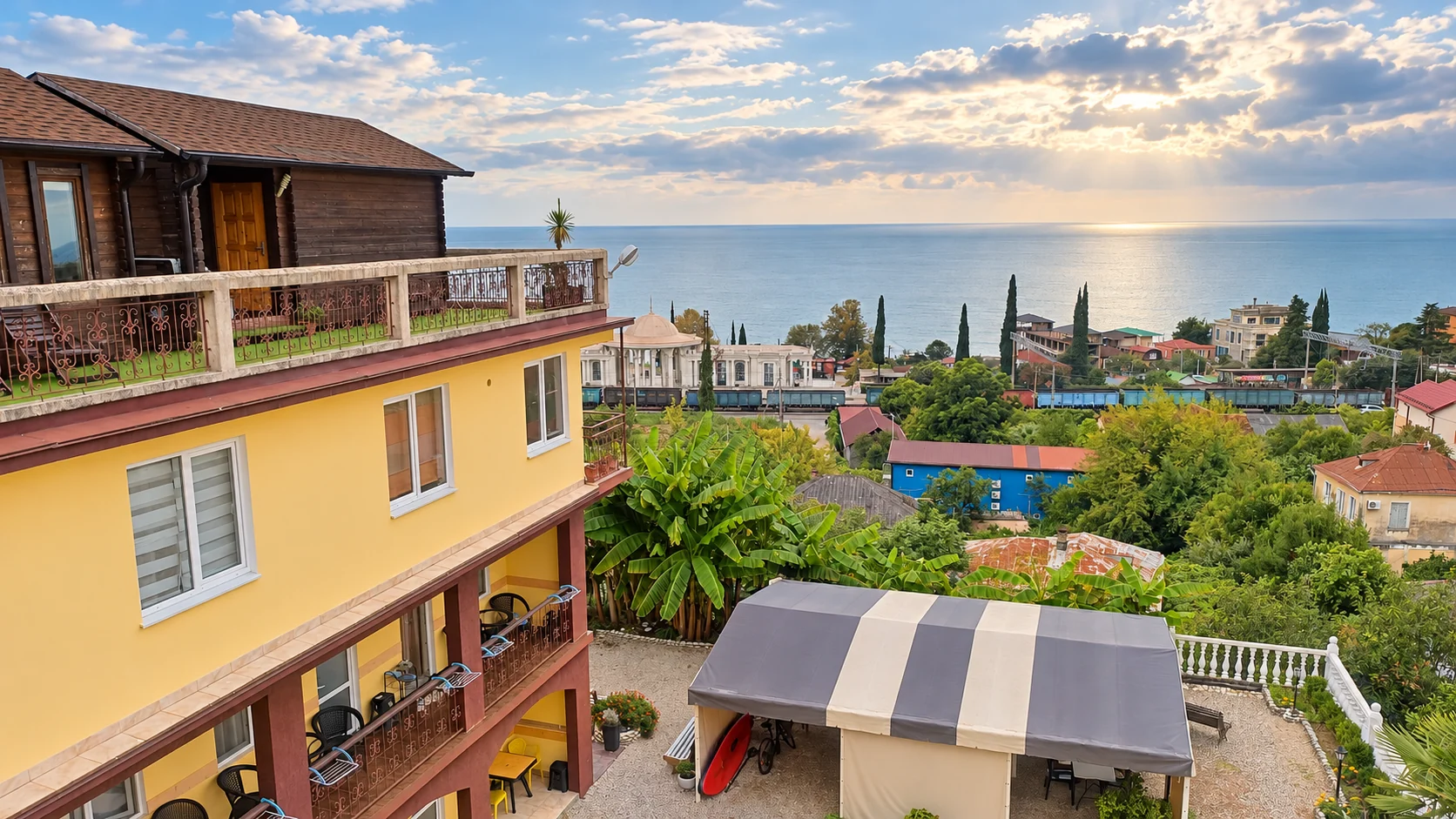
The images in this case show the completed photographs of a real property. The connection between each selected photograph, the actual space and the original material is central to the work.
The completed result and the lesson for another hotel
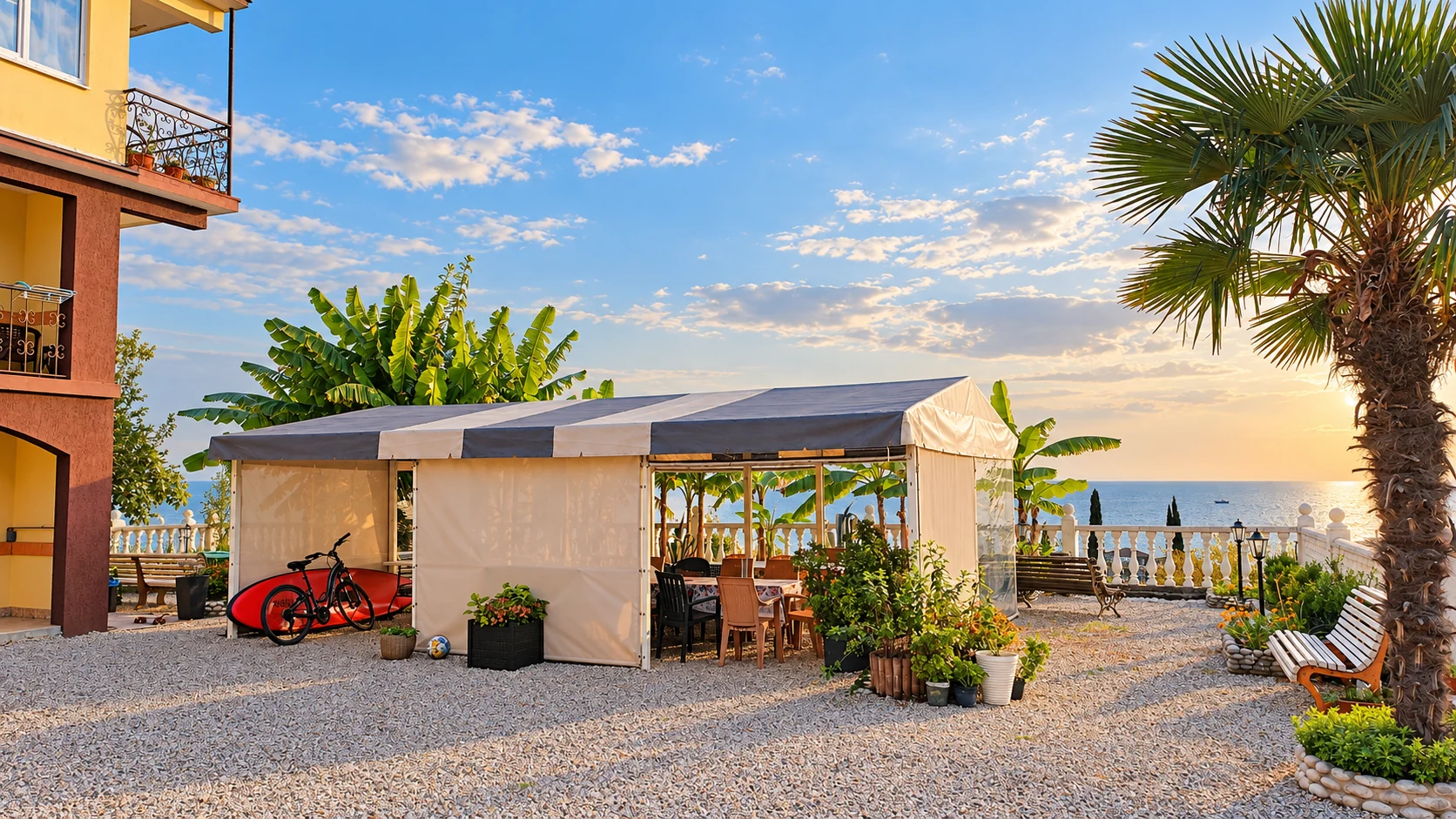
The Amra project is complete. This case presents selected images from the finished series: rooms, a kitchen area, a bathroom, a terrace and wider property views. They describe different aspects of the same real place, helping a viewer move from an overall impression to practical details.
The documented result is a completed photographic series with an agreed direction and a connection to the actual hotel. Establishing a commercial uplift would require evidence about how the new gallery was used and what happened to sales. We make no such claim here.
For a hotel facing a similar gap, a useful starting question is simple: what do guests appreciate once they arrive that is difficult to see in the current pictures? That answer helps select the first room categories and spaces to photograph. Each image can then show something concrete about the stay a future guest is considering.
Plan an on-site hotel shoot in Delhi with DOM.